Introduction/Purpose
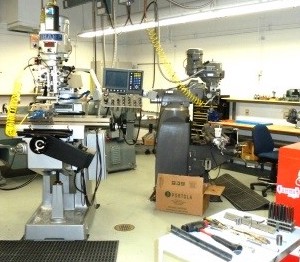
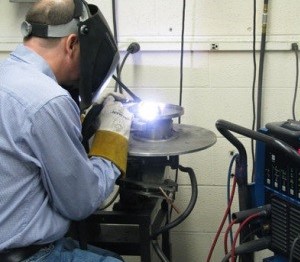
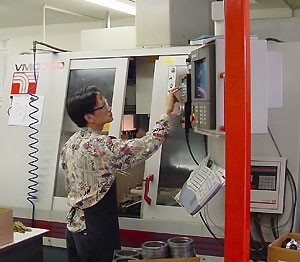
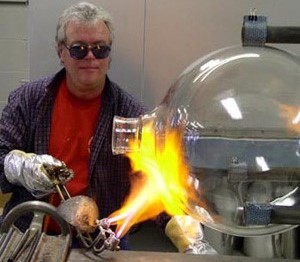
UCSB maintains a diverse range of shops that support research, art, theater, facilities maintenance, and other campus operations. These environments include a wide variety of hazardous activities such as heavy equipment operation, machine and power tool use, welding, fabrication, chemical processes, electrical work, and material processing.
The UCSB Environmental Health & Safety (EH&S) Industrial Safety Program, in alignment with the UCSB Injury and Illness Prevention Program (IIPP), provides a Shop Safety Program to support departments and shop supervisors in meeting regulatory and UC/UCSB policy requirements.
Historically, the program primarily focused on identifying and controlling hazards. Beginning in 2026, the program expands to include verification of active safety management systems, ensuring that safety requirements are not only identified, but actively maintained, documented, and managed over time.
This process is completed within the departmental supervisory chain and is considered a core departmental safety management function. Shop Supervisors/Responsible Persons (RPs), along with their supervisory leadership (e.g., MSOs/BSOs and Department Leadership), are responsible for ensuring implementation, documentation, corrective action tracking, and annual certification of shop safety program elements.
The approach supports:
- Improved visibility of safety program and safety management implementation
- Consistent follow-through on identified deficiencies
- Risk-based prioritization of EH&S support and audits
Applicability
This program applies to UCSB-owned, controlled, or managed shop environments and to UCSB personnel (faculty, staff, students, visitors, and volunteers) working within those spaces.
Contractors working in or around shop environments are managed through University contracting and project oversight processes. Departments are responsible for ensuring contractors are appropriately vetted and operate in accordance with applicable safety requirements.
Shops are required to:
- Maintain compliance with applicable UC/UCSB Policy and regulatory requirements
- Conduct regular shop self-inspection walkthroughs (at least annually, and more frequently as warranted by hazards and risk)
- Implement and document required safety controls
- Participate in the shop safety Safety Management Certification & Annual Self-Inspection process
Safety Management Certification & Annual Self-Inspection
The Safety Management Certification & Annual Self-Inspection process builds on prior EH&S baseline safety management audits and annual shop self-inspections to verify implementation, completion or active management of prior findings, and ongoing departmental management of shop safety requirements. Submissions are completed through the departmental supervisory chain, with EH&S providing risk-based review, follow-up, and support.
Program Components:
- Prior Findings Verification: Shop supervisors verify that prior audit findings have been completed or are actively managed with documented corrective actions and timelines to completion.
- Safety Management Verification: Shop supervisors confirm that safety elements such as documented training, hazard assessments (JHAs/SOPs), PPE, emergency preparedness, hazard communication, preventative maintenance, machine guarding, and LOTO are implemented.
- Shop Supervisor Self-Inspection Walkthrough: Shop supervisors conduct a physical walkthrough to verify that safety requirements identified through Safety Management Verification are reflected in actual shop conditions and practices, including machine guarding and LOTO, equipment condition, fire/life safety, electrical safety, PPE, chemical and compressed gas safety, storage, and housekeeping.
- Additional Hazard Screening: Shop supervisors identify additional operations, equipment, personnel, or exposures that may require further evaluation or applicable program-specific safety requirements.
- Supervisory Chain Visibility: Responsible Persons (RPs) complete submissions, with RP Supervisors (e.g., MSO/BSO) included for visibility and support. Department leadership visibility is encouraged as appropriate.
- EH&S Risk-Based Audits: EH&S reviews submissions and prioritizes follow-up based on risk and completeness.
High-Risk Equipment Safety (Machine Guarding & Lockout/Tagout)
The ANSI B11.0 framework is used as a reference for machine safety. Departments are responsible for identifying applicable ANSI machine guarding standards, with EH&S providing guidance as needed
Other high-risk, equipment-specific safety programs are addressed under their respective EH&S programs (e.g., forklifts, aerial lifts/MEWPs, and heavy equipment, as applicable)
Roles and Responsibilities
Shop safety implementation, corrective action management, and annual certification are departmental responsibilities conducted through the established supervisory chain in alignment with the UCSB Injury and Illness Prevention Program (IIPP), applicable UCOP requirements, and Title 8 Cal/OSHA requirements. EH&S provides regulatory guidance, tools, templates, and risk-based oversight; implementation and operational control remain with the department.
Department Heads / Chairs
Responsible for:
- Ensuring implementation of the UCSB Shop Safety Program within their units
- Providing authority and resources necessary to meet program requirements
- Designating Responsible Persons (RPs) / Shop Supervisors in writing
- Supporting visibility of shop safety program performance
Responsible Persons (Shop Supervisors / PIs)
Responsible for:
- Implementing shop safety requirements in accordance with UCOP and Title 8 Cal/OSHA requirements and industry best practices
- Conducting regular Shop Safety Self-Inspection Walkthroughs
- Completing Safety Management Verification through RSS
- Ensuring hazards are:
- Identified
- Corrected, or
- Actively managed with a documented time-bound mitigation plan
- Maintaining
- Training records
- JHAs / SOPs
- Inspection and preventative maintenance documentation
- Verifying high-risk equipment safety, including:
- Machine guarding
- LOTO
Shop Users (Authorized Personnel)
Responsible for:
- Completing required documented training prior to equipment use
- Following SOPs and safe work practices
- Using required PPE
- Reporting hazards and unsafe conditions
Environmental Health & Safety (EH&S)
Responsible for:
- Maintaining the Shop Safety Program framework
- Providing regulatory guidance, tools, and training resources
- Reviewing Safety Management Certification submissions
- Conducting risk-based audits and follow-up
- Supporting departments in hazard identification and control
EH&S does not:
- Certify shops or equipment
- Perform engineering-level hazard determinations
- Assume responsibility for implementation
Implementation resides within the departmental supervisory chain; EH&S provides Title 8 and UCOP-aligned guidance, shop supervisor support, and risk-based oversight.
Questions / Contact
For questions or additional information, contact the UCSB Shop Safety Program Administrator at: IS@UCSB.edu.